
The First Three Years: The Sacred Beginning of Human Life
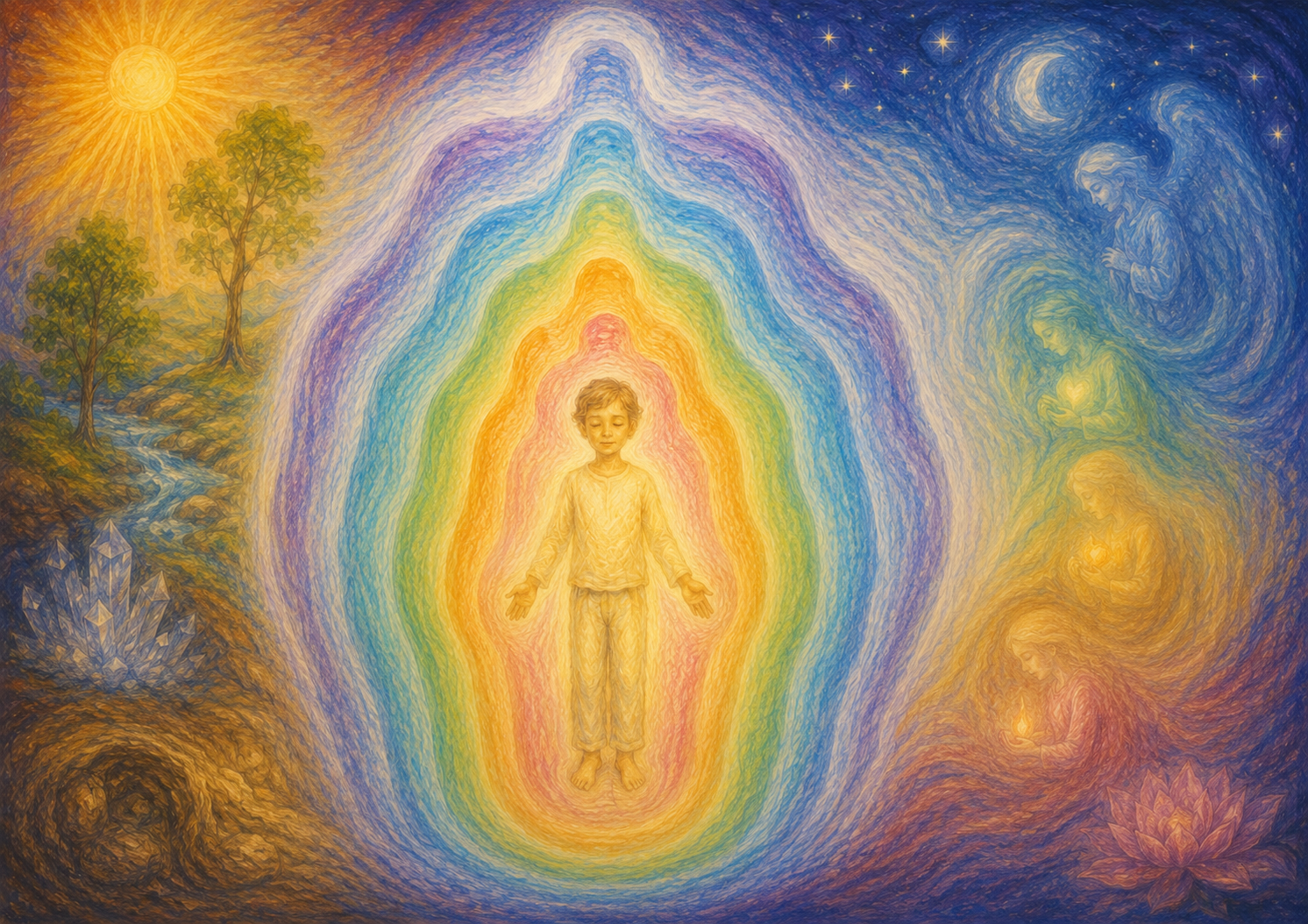
A child does not come into the world empty.
Something deeply mysterious arrives with every birth — a quiet individuality, carrying its own nature, its own rhythm, its own unseen story. The task of early childhood is not to shape the child according to our ambitions, but to lovingly protect the unfolding of this inner life.
The first three years are not ordinary years.
They are years of becoming.
During this time, the child slowly enters the physical world. Step by step, the child learns to inhabit the body, to stand upright against gravity, to speak, to think, and to trust life itself. What adults often see as “developmental milestones” are, in truth, profound spiritual and human achievements.
And none of this can be rushed.
The Child Learns Through Imitation
In the earliest years, the child learns not through instruction, but through imitation.
Everything surrounding the child becomes part of the child.
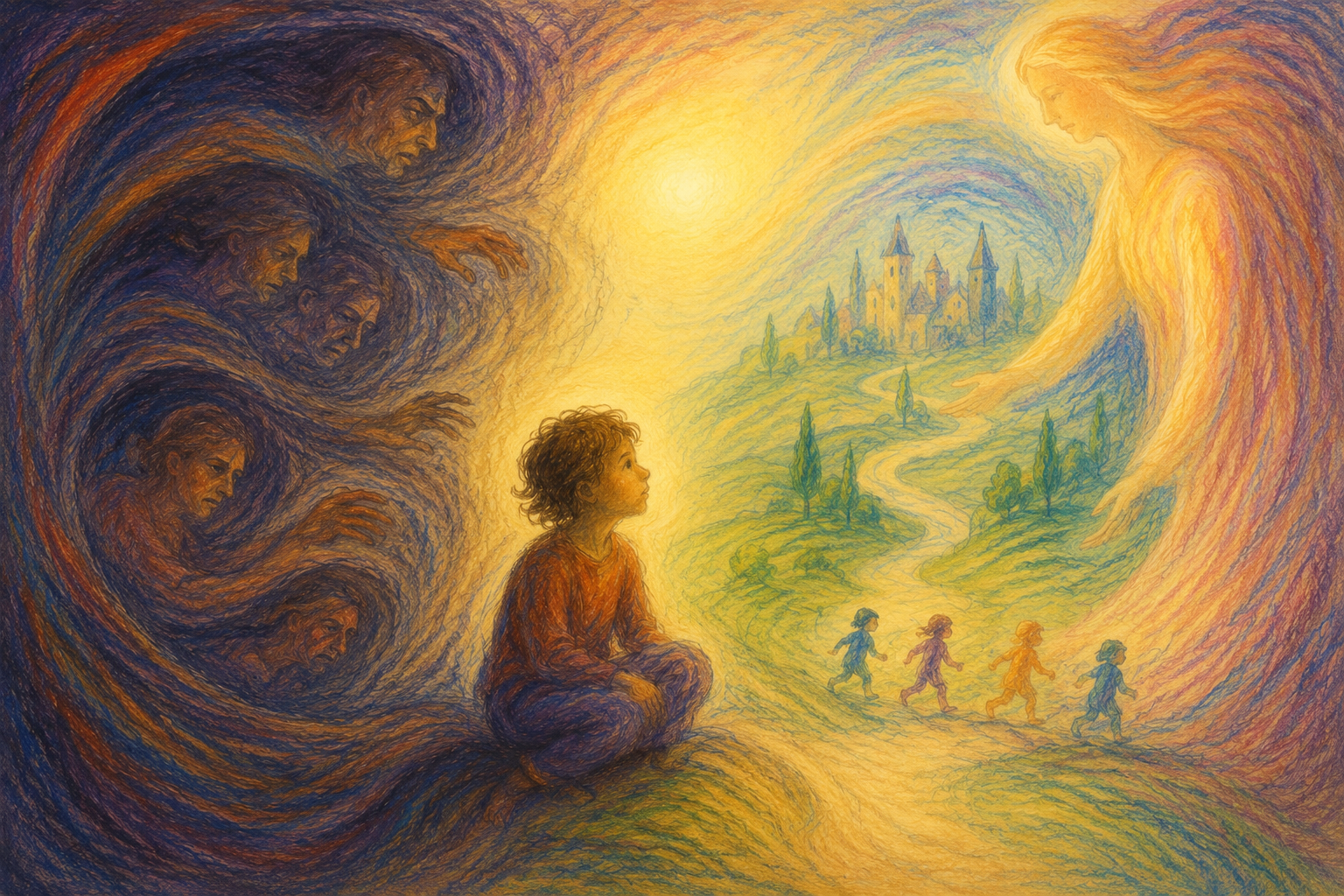
The tone of our voice, the way we move, how we touch objects, whether we carry peace or anxiety within us — all these impressions live deeply inside the growing child. Young children do not yet separate themselves from the world around them. They absorb life completely.
This is why the adult becomes the real environment of the child.
A hurried adult creates restlessness.
A calm adult creates security.
A truthful adult quietly teaches truthfulness.
Children imitate life long before they understand words.
Walking, Speaking, Thinking
Human development unfolds beautifully in sequence.
First comes walking.
The child struggles, falls, rises again, and slowly conquers uprightness. This is more than physical movement. In learning to stand, the child begins developing independence and inner will. The body becomes an instrument through which the spirit can act freely in the world.
Then comes speech.
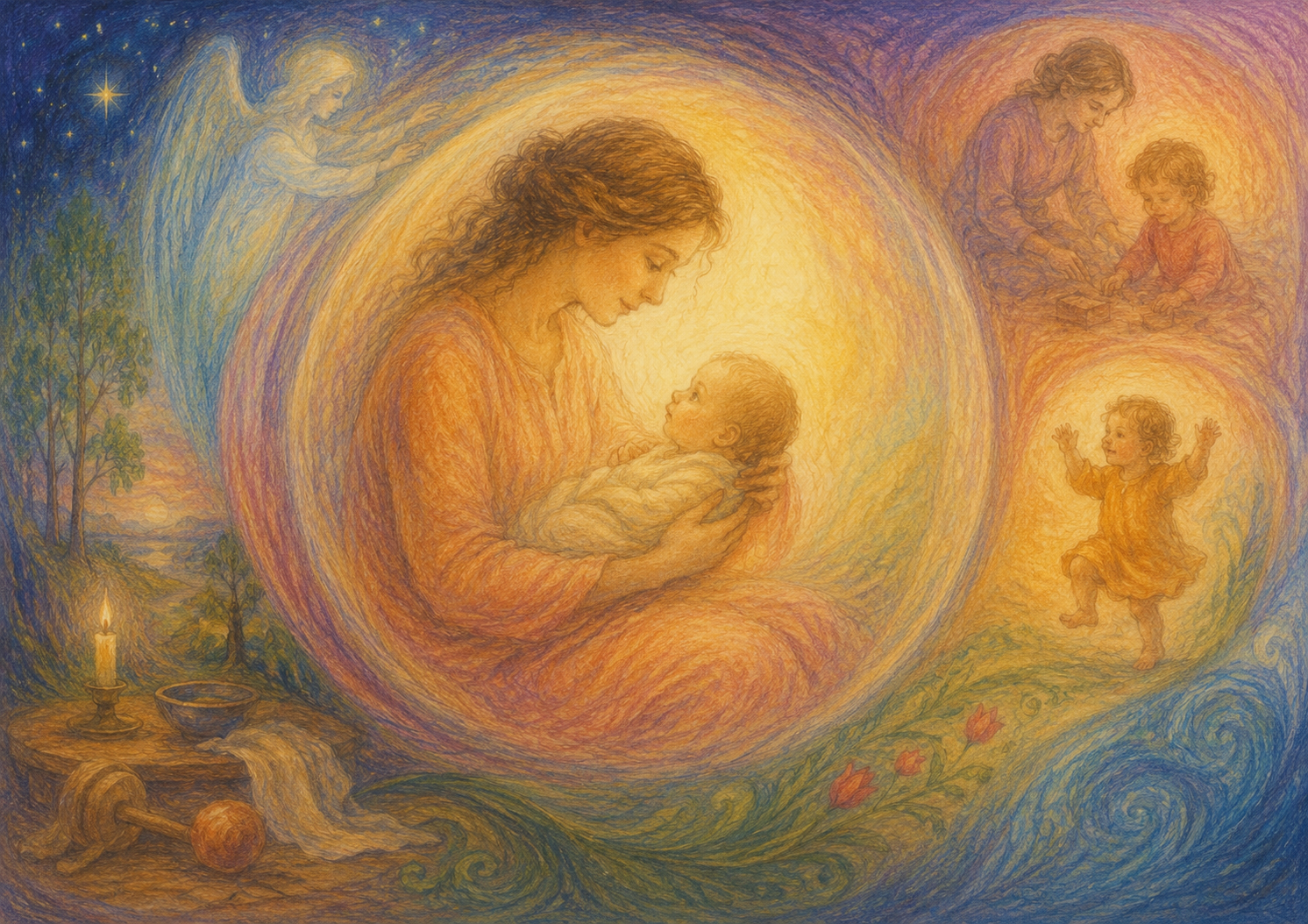
Language grows out of relationship. The child listens to the music of human voices, to warmth, rhythm, expression, and meaning carried through real connection. Words learned through love nourish the child differently than words coming from machines or screens.
And then thinking awakens.
But thinking is not born from early intellectual pressure. It grows naturally out of movement, sensory experience, play, and lived reality. Before a child can understand ideas, the child must first touch life directly.
The hand prepares the mind.
Why Rhythm Matters
Young children feel safe when life has rhythm.
Daily repetition gives the child quiet confidence in the world. Waking, eating, playing, resting, storytelling, sleeping — when these happen rhythmically, the child begins to feel that life is trustworthy.
Rhythm is deeply nourishing for the body and soul.
This is why ordinary activities matter so much:
-
baking bread together,
-
singing during clean-up,
-
lighting a candle before dinner,
-
walking outside every morning,
-
hearing the same bedtime story again and again.
Adults often search for complicated methods while children are asking for something much simpler: warmth, repetition, beauty, and presence.
Play Is the Child’s Real Work
A child playing quietly on the floor may appear to be “doing nothing,” but inwardly something powerful is taking place.
Play allows children to build the foundations for creativity, emotional balance, problem-solving, and imagination. Through play, the child learns freedom.
A simple cloth can become a river.
A stick can become a horse.
A chair can become a ship crossing the ocean.
The less finished a toy is, the more space it leaves for the child’s imagination to awaken.
Children do not need endless entertainment.
They need meaningful experiences and room for inner activity.
Protecting Childhood
Modern life often asks children to grow up too quickly.
There is pressure to perform earlier, learn earlier, achieve earlier. But childhood unfolds according to deeper laws than productivity. A child forced too quickly into intellectual life may lose something precious: wonder, vitality, creativity, and inner joy.
The early years should not be filled with pressure.
They should be filled with life.
Nature, movement, songs, stories, loving work, caring adults, open-ended play, and moments of peace — these things nourish the developing human being far more deeply than constant stimulation.
The Invisible Foundations
Much of what shapes a person cannot be measured in childhood.
The ability to trust.
The ability to love.
The courage to face difficulty.
The feeling that life has meaning.
These qualities begin quietly in the earliest years through relationships, atmosphere, and lived experience.
Children do not need perfect adults.
They need adults who are present, sincere, and inwardly awake.
The first three years are sacred because they lay the invisible foundation for an entire human life. And perhaps the greatest gift we can offer a child is not to hurry their becoming, but to protect it with patience, reverence, and love.